Unlocking the symbolism and colorful brilliance of peony flowers
Posted on 15/08/2025
Unlocking the Symbolism and Colorful Brilliance of Peony Flowers
Peony flowers have captivated the hearts and imaginations of garden lovers, artists, and romantics for centuries. Known for their lush blooms, dazzling colors, and enchanting fragrance, these blossoms carry layers of symbolism and history across different cultures. Let's explore the vivid world of peonies, unravel their symbolic significance, and appreciate the glorious spectrum of peony colors that bring joy to gardens and bouquets worldwide.
A Brief Introduction to Peony Flowers
The peony--scientifically classified under the genus Paeonia--is native to Asia, Europe, and North America. These perennials are adored for their large, often fragrant blooms, which grace gardens in late spring or early summer. Peony flowers are not only popular ornamental plants but also hold special places in culture, myth, and tradition. From delicate herbaceous varieties to hardy tree peonies, the flower's charm is universal and ever-enduring.
Peony Types and Botanical Features
- Herbaceous Peonies: These die back to the ground every winter and re-emerge in spring.
- Tree Peonies: Featuring woody stems, they can grow into small shrubs with massive flowers.
- Intersectional (Itoh) Peonies: A cross between herbaceous and tree peonies, offering unique toughness and beauty.
Each type contributes uniquely to the magnificent tapestry of peony flowers found worldwide.

The Symbolic Significance of Peony Flowers
The brilliance of peony flowers isn't limited to their physical beauty. Around the globe, these blooms have represented various meanings, often tied to prosperity, love, honor, and more. Below, we delve into the different symbolic aspects of peonies across civilizations:
Peonies in Ancient China: The King of Flowers
In Chinese culture, the peony is revered as the "king of flowers" (??). It is a traditional symbol of wealth, prosperity, and nobility. During the Tang dynasty, peonies were valued so highly they became royal emblems and courtly treasures. To this day, they are frequently depicted in Chinese art, literature, and folklore as a sign of honor, high social status, and good luck.
Peony flower symbolism in China includes:
- Fortune and Luck: Their lush blooms signify abundance and good fortune.
- Romantic Love: Peonies are commonly used in weddings to bring about a happy marriage.
- Respect and Honor: The flowering peony is an emblem of respect and esteem for others.
During the spring festival, streets and homes across China are adorned with vibrant peony blossoms, celebrating new beginnings and communal joy.
Peonies in Western Symbolism
In Western traditions, peonies are associated with romance, healing, and even mystery. The Victorians, celebrated for their use of floriography (the language of flowers), saw the peony as a symbol of bashfulness and shyness, possibly due to an old Greek legend connecting the bloom to modesty.
- Romance and Happy Marriage: Peonies are one of the most popular flowers for bridal bouquets, symbolizing a happy union and good fortune for the couple.
- Honor and Bravery: Their showy flowers are often gifted to recognize someone's success or admirable qualities.
- Healing: In ancient Greek and Roman times, peony roots and seeds were used for medicinal purposes, adding to the flower's aura of wellness and protection.
The peony's presence at celebrations, commemorations, and even memorials is a testament to its powerful symbolic role.
Peonies in Japanese Culture
Called botan in Japanese, peonies occupy an esteemed place in Japanese art and symbolism. They stand for good fortune, boldness, and masculine strength, often featuring in traditional paintings and tattoos. Their seasonal blooms, heralding late spring and early summer, are celebrated in festivals and gardens throughout Japan.
The Colorful Brilliance of Peony Flowers
Peony flowers are celebrated for their unrivaled color diversity, with hues ranging from the softest pastels to the boldest reds and purples. Each color adds another level of meaning, ensuring the right peony variety fits any occasion or sentiment.
Understanding the Language of Peony Colors
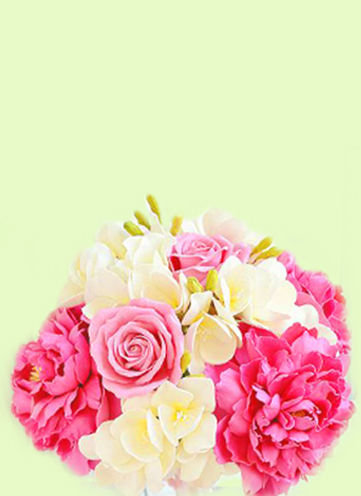
- Pink Peonies: By far the most popular, pink peonies denote romance, gentle affection, and prosperity. They are a favored flower for wedding bouquets and gifts between loved ones.
- Red Peonies: Red peonies are vibrant and passionate, symbolizing honor and respect. In Chinese culture, they particularly represent wealth and are used during celebratory events.
- White Peonies: With their delicate beauty, white peonies embody purity, innocence, and remembrance. They are often featured in sympathy arrangements or to mark new beginnings.
- Yellow Peonies: Less common and considered rare, yellow varieties signify new life, fresh beginnings, and positive energy.
- Coral Peonies: Modern hybridization has introduced coral shades, which are bright and cheerful--ideal for conveying good luck and optimism.
- Purple Peonies: Rich and royal, purple shades suggest mystery, uniqueness, and opulence.
The brilliance of peony colors ensures that every bouquet or garden display can express a unique, heartfelt message.
The Changing Color Palette: Peonies' Amazing Transformations
One of the most remarkable aspects of peony blooms is how their colors change with age. Many peonies open intensely colored and gradually fade to a softer shade, giving gardens a dynamic, ever-shifting display. This subtle transformation adds another layer to peony flower symbolism--the beauty of change, endurance, and the fleeting nature of life itself.
Cultural Significance and Uses of Peony Flowers
The use and reverence of the peony flower extend far beyond the garden, filtering into art, medicine, literature, and celebratory traditions worldwide.
Peonies in Art and Decoration
Peony blossoms have inspired countless artists and designers. In Chinese brush painting, peonies are often depicted as lush, multi-petaled blooms, symbolizing prosperity and beauty. In Western painting, they are favored for their elegance and depth, while Japanese prints stylize them with striking minimalism.
- Textiles and Fashion: Peony motifs grace kimonos, embroidery, and modern clothing designs.
- Ceramics and Porcelain: Peony designs are a hallmark of exquisite Asian pottery and dinnerware.
- Home Decor and Weddings: From wallpapers to table centerpieces, peony patterns symbolize warmth and opulence.
Peony Flowers in Festivals and Rituals
Celebrations across Asia often center around the blooming period of peonies. The Luoyang Peony Festival in China and the Peony Viewing Festivals in Japan attract legions of admirers who stroll through gardens ablaze with color, reveling in the beauty and symbolic fortune these flowers bring.
In Western weddings and anniversaries, peonies are a top choice for bridal arrangements and gifts, marking the 12th year of marriage with their association to romance, honor, and prosperity.
Medicinal and Cosmetic Uses
It's not just their aesthetic value that makes peony flowers remarkable; their medicinal properties have been extolled for thousands of years. In traditional Chinese medicine, parts of the peony plant--especially the root--are used to treat a wide range of ailments, from inflammation to muscle cramps. Modern research is still exploring the potential of peony extracts in skincare and holistic medicine.
Growing and Caring for Peony Flowers
If the symbolism and beauty of peonies have inspired you to plant some in your garden, you'll find that they are surprisingly easy to grow--provided you follow some simple guidelines. Well-cared-for peony plants can thrive for decades, sometimes outliving the gardeners who plant them!
Tips for Planting and Cultivating Peonies
- Location: Choose a spot with full sun and well-drained soil.
- Planting Depth: If planting roots, ensure the eyes (buds) are only 1-2 inches below the soil surface.
- Spacing: Allow 3-4 feet between plants for good air circulation.
- Watering: Keep soil moist but not soggy, especially in the first season.
- Pruning: Remove spent blooms to encourage healthy growth, and cut back herbaceous peonies in late fall.
Peony flowers require a little patience, as it may take a couple of years for them to produce full blooms. However, their longevity and dazzling display make them a favorite of landscape designers and home gardeners alike.

Fun Facts and Curiosities About Peony Flowers
- Peony is the State Flower of Indiana: In the United States, Indiana adopted the peony as its official flower in 1957.
- One of the Oldest Flowers in Cultivation: Peonies have been grown for over 2,000 years, making them among the oldest cultivated flowers.
- Record-Breaking Blooms: Some tree peony varieties produce flowers over 10 inches across.
- Edible Uses: In China, peony petals are sometimes used for making tea or as a colorful garnish for dishes.
Conclusion: Embracing the Rich Symbolism and Beauty of Peony Flowers
The journey through the symbolism and colorful brilliance of peony flowers reveals a story interwoven with nature, culture, and emotion. Whether you cherish them as garden showstoppers, symbols of prosperity, or tokens of love, peonies stand as enduring icons of beauty and significance across continents and generations.
Unlocking the symbolism of peony flowers deepens our appreciation not just of their outward magnificence, but of the ways they continue to inspire art, tradition, and heartfelt expression the world over. Next time you admire a bouquet of peonies, remember--these blooms are more than just a pretty face; they are a living celebration of meaning, heritage, and the joyful colors of life itself.
Frequently Asked Questions About Peony Flower Symbolism and Colors
- What do peony flowers symbolize in modern times?
Today, peonies most often represent honor, romance, prosperity, and good fortune, making them popular in celebrations and decor. - What is the meaning behind different peony flower colors?
From pink for romance to red for wealth and white for purity, each color carries its own symbolism, allowing peonies to convey nuanced messages. - Can I grow colorful peony flowers in my own garden?
Yes! With patience and proper care, gardeners in many climates can enjoy the colorful brilliance and symbolic richness of peonies for generations.
Explore the world of peony flowers, unlock their symbolism, and celebrate their colorful brilliance in your own life--or garden--today!
Latest Posts
Blooming Joy: Celebrate Birthdays with Perfect Flowers
Unlocking the symbolism and colorful brilliance of peony flowers
Green Thumb's Guide to Orchid Care
Simple ways to maximize the lifespan of your beloved flowers